3D-Printed Dental Crowns Ready in Hours
3D-Printed Dental Crowns Ready in Hours
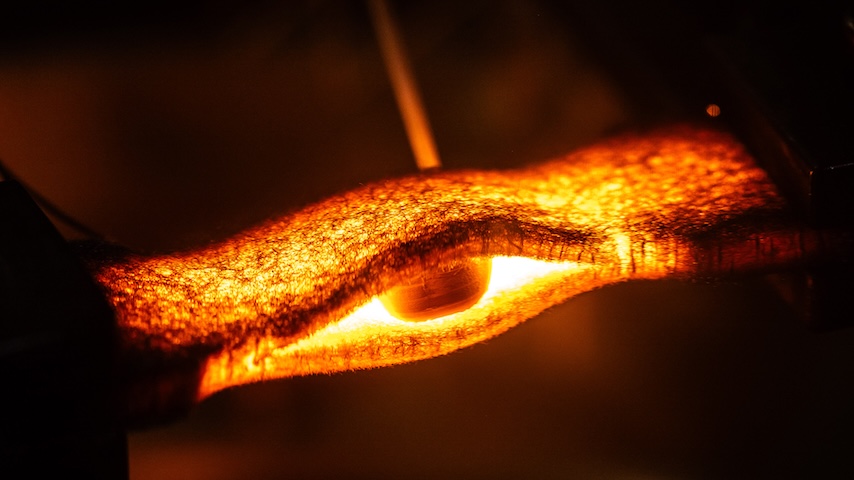
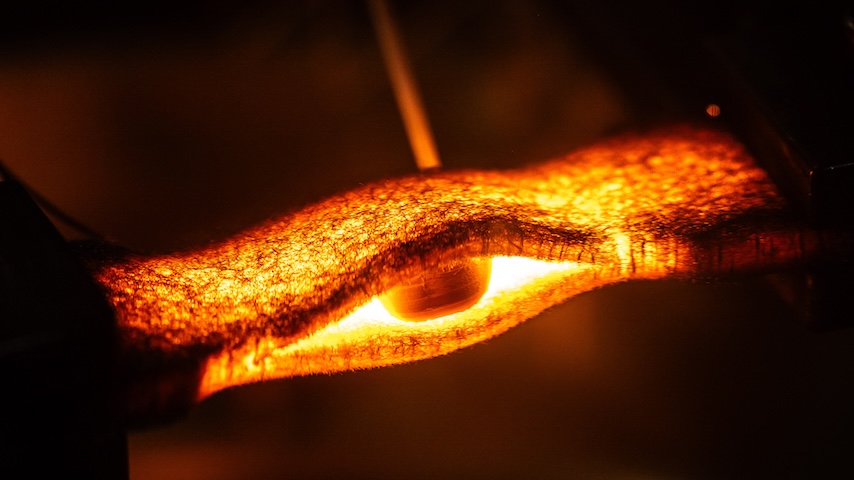
A new production method using enhanced heat transfer and porous graphite felt could soon offer a faster trip to the dentist.
The wait time for a permanent crown may be reduced from several weeks to mere hours, thanks to a combination of 3D printing and heated graphite felt. This enhanced technique will allow dental professionals to quickly fabricate tooth restorations so patients can chew with confidence once again.
Majid Minary, professor of mechanical engineering at the University of Texas at Dallas, and his team’s research tackles a key bottleneck in the post-processing stage to manufacture an all-zirconia crown.
Zirconia is the gold standard for permanent dental work due to its strength, durability, and resistance to thermal shock and corrosion. An upgrade from gold or porcelain, the material also offers a translucency that is an aesthetic match for human teeth. But the wait time to produce a zirconia crown creates undesirable delays for recipients and dental technicians alike.
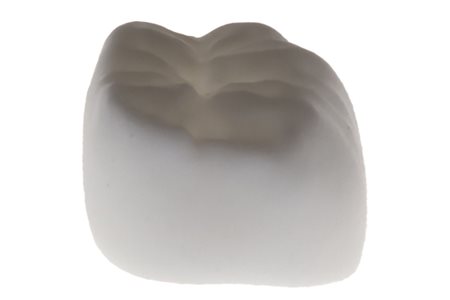 Same-day zirconia crowns are possible thanks to 3D printing and graphite felt. Image: The University of Texas at Dallas
From a patient perspective, a temporary crown is a disruptive two-week process that necessitates two office visits between the impression and installation. Temporary crowns can be easily compromised by crunchy or sticky foods in that period, exposing the tooth underneath to further damage and bacteria.
Same-day zirconia crowns are possible thanks to 3D printing and graphite felt. Image: The University of Texas at Dallas
From a patient perspective, a temporary crown is a disruptive two-week process that necessitates two office visits between the impression and installation. Temporary crowns can be easily compromised by crunchy or sticky foods in that period, exposing the tooth underneath to further damage and bacteria.
“Another challenge is that some patients’ dental pieces don’t fit correctly the first time. This is because milling is using a physical process to produce complex geometry—fine features can be difficult to render,” added Minary added. “Additionally, few dentists offer in-office adjustments since this is a specialty service. Patients are kept waiting during the back-and-forth milling.”
In addition to patient satisfaction and precision, dental labs are concerned with waste. The traditional process is to mill the dental piece from a solid zirconia block. But much like carving wood, this method leads to a significant amount of leftover material.
More for You: Repairing Spinal Cord Injuries with 3D-Printed Scaffolds
Enter 3D printing, which already exists for composite tooth restorations and resolves the downsides associated with milling. However, same-day fabrication for 100 percent zirconia pieces hasn’t been possible yet.
“Zirconia doesn’t melt like polymers or metals. Zirconia particles have to be added to a binder so they can hitch along for the ride. With vat photopolymerization [VPP], this composite material can be printed in as little as one or two hours,” Minary explained. “It’s the additional time needed to remove the cured resin from the piece that hasn’t facilitated single-day processing until now.”
To convert a 3D printed composite piece into exclusively zirconia, dental restorations must undergo debinding and sintering steps. This requires extreme heat in a process similar to firing pottery, but these thermal processes are a far cry from printing miniatures for gaming.
“First, the polymer must be slowly burned away and removed so only the ceramic particles remain,” said Minary said. “But since these are like fine sand, they must then be fired in order to fuse into a solid shape.”
This can span 20 to 100 hours, largely for preheating, firing, and cooling at proper intervals to protect the material from cracks and fissures. Meanwhile, the clock keeps ticking as a patient endures their temporary crown.
To slash the time, Minary’s team leveraged an ultrafast thermal debinding process to remove the binder within just 30 minutes. They then employed porous graphite felt, which transfers heat directly to the zirconia.
“The graphite heats up almost instantly thanks to an electric current. Unlike heating an oven, it can reach the roughly 2,600 °F needed to sinter zirconia in seconds. This localized heat causes the ceramic particles to merge into a solid in seconds rather than hours,” Minary explained. “An added benefit is that the restoration piece cools rapidly because the graphite felt also cools quickly and the samples are not in a heated chamber.”
Minary anticipates that graphite felt sintering will be available to the dental market after another year or two of R&D. A primary goal is to refine the setup as a desktop furnace so it’s equally accessible to dental offices and labs.
The economics are already competitive, with the cost of the 3D printer and graphite felt comparable to milling machines. Dental professionals can also achieve economies of scale, printing dozens of dental appliances at once. Furthermore, the reduced waste and energy consumption are attractive for sustainability.
Discover the Benefits of ASME Membership
Another area of future inquiry is how to safely expand 3D printing beyond crowns to larger implants and dentures. Since these prosthetics touch human tissue, biocompatibility is paramount. ISO standards governing these applications will need to be satisfied, including effectiveness with dental cements.
Will a hobbyist eventually be able to 3D print their own dental appliances at home? Unlikely, even in the near future, stressed Minay. While consumer models are a subset of VPP, they use separate resins, lower temperatures, and different curing sources that are incompatible with zirconia dental fabrication.
But it’s exciting to contemplate a not-so-distant future where the two-week temporary crown is a relic of the past. Same day printed dental restorations are likely to become the norm, turning many a frown upside down.
Jennie Morton is an engineering and construction writer in Iowa.
Majid Minary, professor of mechanical engineering at the University of Texas at Dallas, and his team’s research tackles a key bottleneck in the post-processing stage to manufacture an all-zirconia crown.
Printing the unmeltable
Zirconia is the gold standard for permanent dental work due to its strength, durability, and resistance to thermal shock and corrosion. An upgrade from gold or porcelain, the material also offers a translucency that is an aesthetic match for human teeth. But the wait time to produce a zirconia crown creates undesirable delays for recipients and dental technicians alike.
Same-day zirconia crowns are possible thanks to 3D printing and graphite felt. Image: The University of Texas at Dallas
“Another challenge is that some patients’ dental pieces don’t fit correctly the first time. This is because milling is using a physical process to produce complex geometry—fine features can be difficult to render,” added Minary added. “Additionally, few dentists offer in-office adjustments since this is a specialty service. Patients are kept waiting during the back-and-forth milling.”
In addition to patient satisfaction and precision, dental labs are concerned with waste. The traditional process is to mill the dental piece from a solid zirconia block. But much like carving wood, this method leads to a significant amount of leftover material.
More for You: Repairing Spinal Cord Injuries with 3D-Printed Scaffolds
Enter 3D printing, which already exists for composite tooth restorations and resolves the downsides associated with milling. However, same-day fabrication for 100 percent zirconia pieces hasn’t been possible yet.
“Zirconia doesn’t melt like polymers or metals. Zirconia particles have to be added to a binder so they can hitch along for the ride. With vat photopolymerization [VPP], this composite material can be printed in as little as one or two hours,” Minary explained. “It’s the additional time needed to remove the cured resin from the piece that hasn’t facilitated single-day processing until now.”
A microfurnace
To convert a 3D printed composite piece into exclusively zirconia, dental restorations must undergo debinding and sintering steps. This requires extreme heat in a process similar to firing pottery, but these thermal processes are a far cry from printing miniatures for gaming.
“First, the polymer must be slowly burned away and removed so only the ceramic particles remain,” said Minary said. “But since these are like fine sand, they must then be fired in order to fuse into a solid shape.”
This can span 20 to 100 hours, largely for preheating, firing, and cooling at proper intervals to protect the material from cracks and fissures. Meanwhile, the clock keeps ticking as a patient endures their temporary crown.
To slash the time, Minary’s team leveraged an ultrafast thermal debinding process to remove the binder within just 30 minutes. They then employed porous graphite felt, which transfers heat directly to the zirconia.
“The graphite heats up almost instantly thanks to an electric current. Unlike heating an oven, it can reach the roughly 2,600 °F needed to sinter zirconia in seconds. This localized heat causes the ceramic particles to merge into a solid in seconds rather than hours,” Minary explained. “An added benefit is that the restoration piece cools rapidly because the graphite felt also cools quickly and the samples are not in a heated chamber.”
Commercial viability
Minary anticipates that graphite felt sintering will be available to the dental market after another year or two of R&D. A primary goal is to refine the setup as a desktop furnace so it’s equally accessible to dental offices and labs.
The economics are already competitive, with the cost of the 3D printer and graphite felt comparable to milling machines. Dental professionals can also achieve economies of scale, printing dozens of dental appliances at once. Furthermore, the reduced waste and energy consumption are attractive for sustainability.
Discover the Benefits of ASME Membership
Another area of future inquiry is how to safely expand 3D printing beyond crowns to larger implants and dentures. Since these prosthetics touch human tissue, biocompatibility is paramount. ISO standards governing these applications will need to be satisfied, including effectiveness with dental cements.
Will a hobbyist eventually be able to 3D print their own dental appliances at home? Unlikely, even in the near future, stressed Minay. While consumer models are a subset of VPP, they use separate resins, lower temperatures, and different curing sources that are incompatible with zirconia dental fabrication.
But it’s exciting to contemplate a not-so-distant future where the two-week temporary crown is a relic of the past. Same day printed dental restorations are likely to become the norm, turning many a frown upside down.
Jennie Morton is an engineering and construction writer in Iowa.
A new production method using enhanced heat transfer and porous graphite felt could soon offer a faster trip to the dentist.

Freelance writer based in Iowa
Related Content

Sep 3, 2026
5 Mechanical Innovations to Watch in 2026

From adaptive safety belts to biomechanical drug delivery, these recent mechanical engineering breakthroughs are setting the stage for the future.
Sep 1, 2026
The Next Robotics Frontier


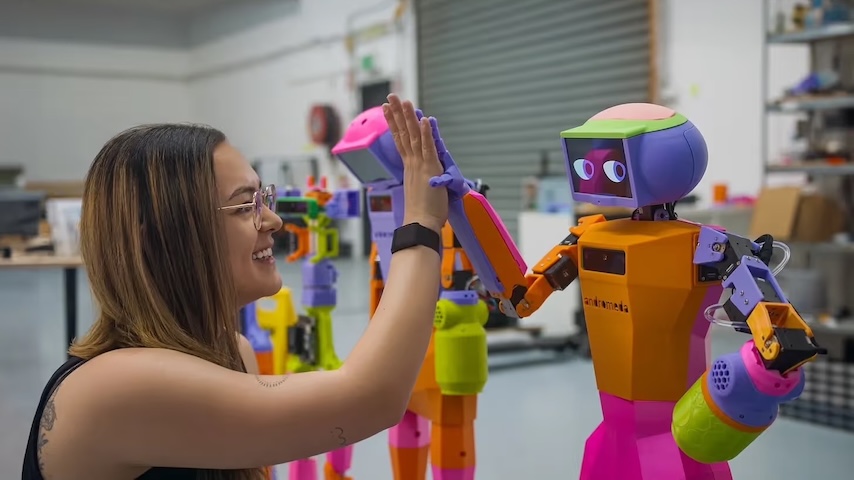
The robotics industry often focuses on scale, automation, and valuations. But a quieter group of founders is instead asking what robotics have overlooked as they innovate with compassion in mind.

Aug 28, 2026
Quiz: The Origins of Automation
Automation’s roots run back to mechanization and the first factories, and it has been compounding ever since. See how well you know that path.
Aug 27, 2026
Reimagining Prosthetic Design

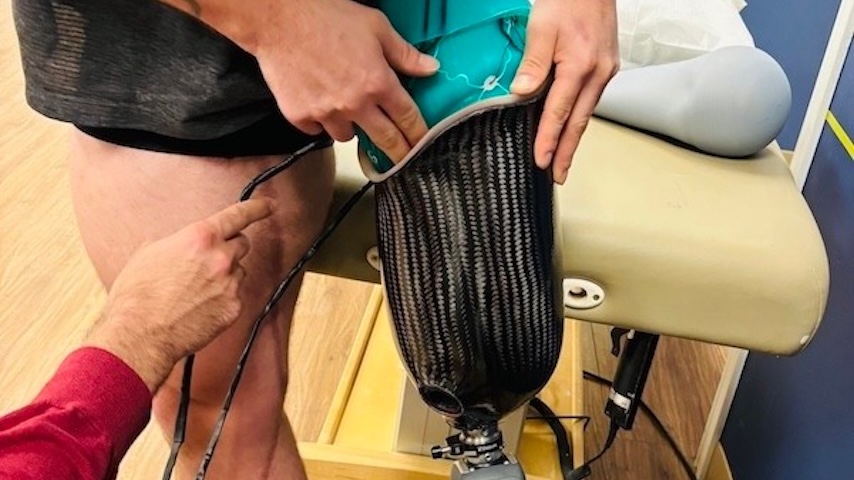
Smart tech and 3D printing transform socket design, making prosthetics lighter, more comfortable, and shaped by the patient's own movement.